Happy Valentine's Day - or as some Serbian speakers say, Sretan Valentinovo! Whatever your feelings about the holiday, it offers a lovely excuse to look at the past participle from a fresh angle: love poetry. And today's poem has a charming little grammar secret hidden inside it.
Serbian poetry, even short folk-style verses, tends to use verb agreement beautifully. The poem below is written from a girl's point of view - and that one fact changes the ending of every past-tense verb in it. Let's take a look.
The poem - a girl's version
Here is the poem as written by a female speaker. Read it aloud; the rhyme scheme is tight and the rhythm bounces pleasantly.
U srce sam te zaključala,
Ne možeš izaći,
A ključić sam izgubila,
Ne možeš ga naci!
Notice the two past participles: zaključala (locked) and izgubila (lost). Both end in -la because the speaker is female. If a man were to say the same thing, those endings would change to -o.
Your turn - the boy's version
Here is the challenge: rewrite the poem from a boy's point of view. The two verb forms you need to change are:
- zaključala - becomes zaključao (masculine singular past participle of zakljucati)
- izgubila - becomes izgubio (masculine singular past participle of izgubiti)
Try writing out the full four-line version in the comments below. You can also swap a word or two to make it feel more like a boy's voice if you like - it is your poem!
What you practise
This short exercise drills gender agreement in the Serbian past tense in the most memorable way possible: through a rhyme you will probably recite to yourself on Valentine's Day for years to come. The rule is simple - feminine subjects use -la, masculine subjects use -o - but anchoring it to real, emotional language makes it stick far better than a grammar table alone ever could.
Once you feel confident with -o and -la, try writing a verse with a plural subject (-li or -le) for an extra challenge. A poem about two people locking each other in their hearts, perhaps?
A note on the image
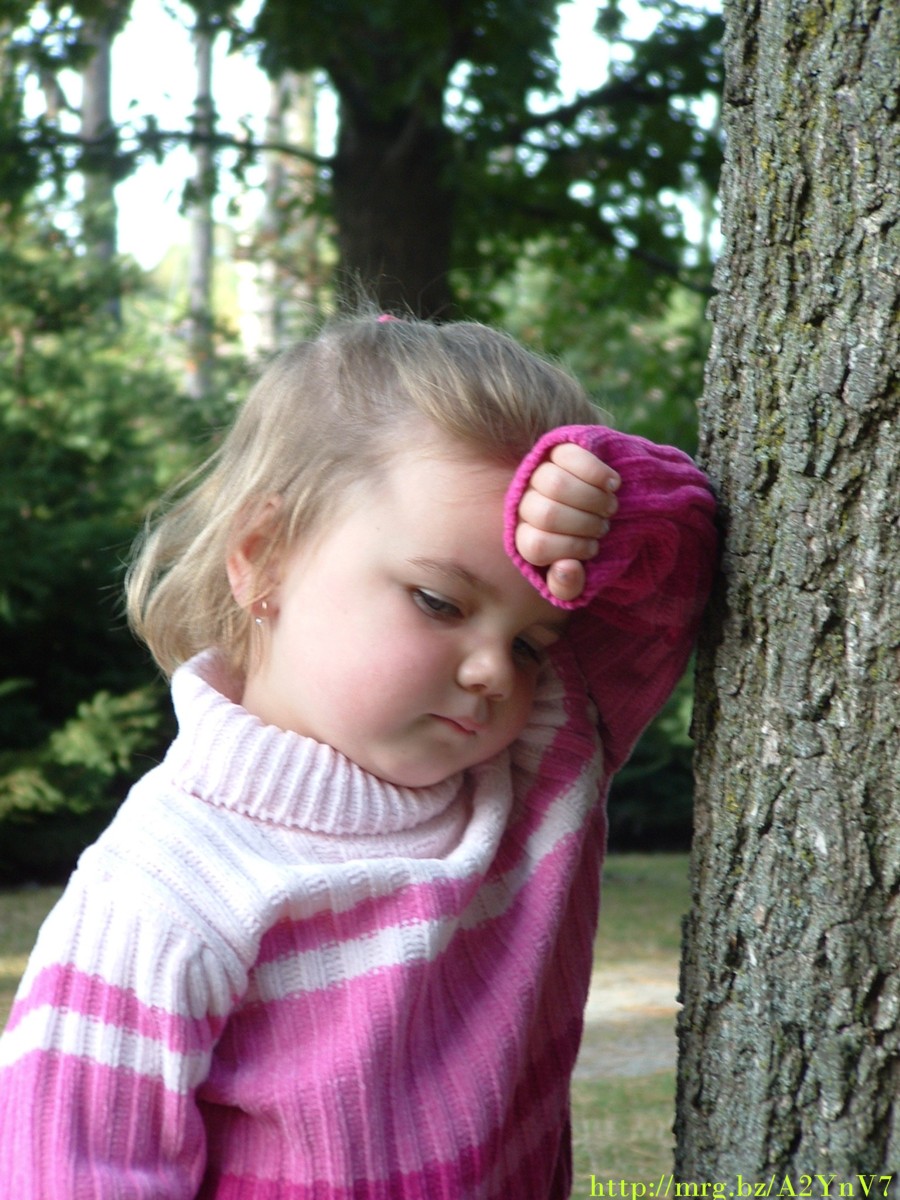
The image above accompanied the original post - a little Valentine's Day decoration to set the mood. Sometimes a small visual reminder that language learning can be warm, playful, and personal makes all the difference.
Frequently asked questions
What does "ključić" mean - why the extra "-ic"?
Ključ means "key." The suffix -ic is a diminutive in Serbian, making the word mean "little key." Diminutives are used constantly in everyday Serbian to express affection, smallness, or both - so ključić has a tender, almost playful tone that fits a love poem perfectly.
Is "zakljucati" related to "ključ"?
Yes, directly. The verb zakljucati (to lock) is built on the noun ključ (key) - lock being the action you perform with a key. Serbian has many verb-noun pairs like this, and spotting them makes vocabulary much easier to build.
What does "ne možeš izaći" mean exactly?
Ne možeš means "you cannot" (literally "you are not able to"), and izaći is the infinitive "to go out / to exit." So the line means "You cannot get out" - a playful metaphor for being trapped in someone's heart.
Would a Serbian speaker today write these words with diacritics?
In careful writing, yes: zaključala should be written zaključala with the proper spelling in Serbian Latin script as zaključala - but the letters used here depend on the script. In Cyrillic there is no question; in Latin script, always use diacritics in formal writing. The blog uses Latin script with correct diacritics throughout.
I hope this little poem brought a smile to your face as well as a grammar point to your notebook. Language is at its best when it carries real feeling - and there is something genuinely charming about a four-line verse that hides a verb-agreement lesson in plain sight. Leave your boy's version in the comments!
With Valentine's warmth, Marina Petrovic
For more everyday Serbian words and phrases, visit More everyday Serbian.